




There’s a familiar moment for anyone who spends time outdoors. You reach for a trusted piece of gear and notice something has changed. Your sunglasses are scratched, a hinge feels loose, or something just isn’t working the way it used to.
It’s not completely broken, but it’s no longer at its best. That’s when most items quietly get set aside and eventually replaced. In many cases, though, that gear still has plenty of life left in it.
Why We Replace Too Quickly
Outdoor gear is built to handle demanding conditions. From sun exposure to rough terrain, most accessories are designed with durability in mind. Yet, small issues often lead to full replacement.
A scratched lens, a worn component, or a minor defect can make something feel unusable, even when the rest of the product is still in excellent condition.
The habit of replacing instead of fixing is not always about necessity. It is often about convenience. Replacing feels faster, even if it is not the most practical or sustainable option.
When this becomes the default decision, it shortens the lifespan of products that were built to last much longer.
Seeing Value Differently
Spending time outdoors naturally changes how we think about what we carry. Every item in your pack has a purpose, and reliability matters.
Applying that same mindset at home can make a significant difference. Instead of asking whether something is worth replacing, it is worth asking whether it can be restored.
Most accessories do not fail all at once. One component wears down while the rest remains perfectly usable. Recognizing that difference is the first step toward extending the life of your gear.
Simple Ways to Extend the Life of Your Gear
Keeping your gear in use does not require advanced skills or tools. Many common issues can be addressed quickly and effectively.
Loose hinges can be tightened in seconds. Slightly bent frames can often be adjusted back into place. Worn parts can be replaced without affecting the rest of the product.
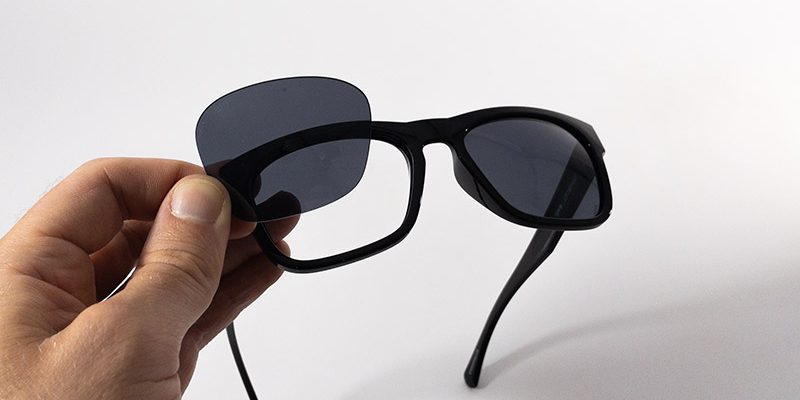
Sunglasses are a good example. Scratched lenses are one of the most common reasons people stop using a pair, even when the frame is still in great condition. Instead of replacing the entire product, it is possible to swap out the lenses and restore clarity. Services like the ones offered by Sunglass Fix make this process accessible, allowing you to upgrade or replace lenses while keeping the original frame.
This approach not only saves money but also avoids unnecessary waste.
Why This Matters in Outdoor Environments
Sustainability becomes more tangible when you spend time outdoors. The places we explore are directly affected by the choices we make.
Extending the life of gear reduces the need for new manufacturing, which in turn lowers resource use and emissions. According to the Ellen MacArthur Foundation, keeping products in use for longer is one of the most effective ways to reduce environmental impact.
Each time you repair instead of replace, you help reduce pressure on natural resources while keeping functional products out of landfills.
Repair, Reuse and Reinvention
Not every item needs to return to its original purpose. Some can be adapted or repurposed in simple ways.
Older accessories can be reused for storage, organization, or travel setups. Components from worn items can be kept as spare parts. Even small changes can give gear a new role instead of turning it into waste.
This kind of thinking shifts the focus from disposal to usability. It encourages a more practical relationship with the things we own.
How This Changes the Way We Buy
When you start thinking in terms of longevity, your buying decisions naturally evolve.
Durability becomes more important than trends. Materials and construction start to matter more than appearance alone. You begin to look for products that can be maintained, not just replaced.
Over time, this leads to a more reliable set of gear that performs better and lasts longer.
Making It Part of Your Routine
Giving your gear a second life does not require a complete lifestyle change. It is about building simple habits.
Before replacing an item, take a moment to check whether it can be repaired. Look for replacement parts or small adjustments that can bring it back to life. Consider reuse before disposal.
Resources like iFixit have made repair knowledge more accessible, showing that many fixes are easier than expected.
A More Practical Approach to Sustainability
Outdoor living is often about being intentional with what you carry and how you use it. Extending the life of your gear follows the same principle.
It is not about holding onto things unnecessarily. It is about recognizing when something still has value and making the most of it.
In many cases, a small repair or upgrade is all it takes to keep your gear performing the way it should. Choosing that option is a simple and effective way to reduce waste while staying true to the practical mindset that outdoor life encourages.